

Dubai denince en çok duyduğumuz cümle şu: “Vergi yok.” Ama yatırımcı için asıl soru şu olmalı: Vergi olmaması gerçekten kazanç yaratıyor mu, yoksa sadece pazarlama cümlesi mi?
Benim cevabım net: Dubai’de vergisiz yapı bir slogan değil. Bir matematik avantajı.
Vergi Yok Derken Ne Kastediyoruz?

Dubai’de konut yatırımında:
- Yıllık emlak vergisi yok
- Kira gelir vergisi yok
- Sermaye kazancı vergisi yok
Kaynak: https://u.ae/en/information-and-services/finance-and-investment/taxation
Birçok Avrupa ülkesinde kira gelirinden %20–40 arası vergi kesintisi yapılır. ABD’de federal + eyalet vergileri devreye girer. Fransa ve Almanya’da net kira getirisi ciddi şekilde düşer.
Dubai’de ise brüt kira getirisi büyük ölçüde net kira getirisine dönüşür. Bu fark küçük değil. Bu, yatırımın geri dönüş süresini yıllar seviyesinde etkiler.
Basit Bir Karşılaştırma
Aynı değerde iki gayrimenkul düşünelim. Birisi Avrupa’da %4 brüt kira getirisi sunuyor. Vergi sonrası net getiri yaklaşık %2,5–3 seviyesine düşüyor. Dubai’de %7 brüt kira getirisi sunan bir daire düşünelim. Vergi kesintisi olmadığı için net getiri %6–7 bandında kalıyor.
Aradaki fark: Yılda birkaç puan değil. Uzun vadede ciddi sermaye farkı. 2026 itibarıyla Dubai’de ortalama kira getirisi (Rental Yield) hâlâ %6–8 bandında.
Kaynak: https://www.engelvoelkers.com/ae/en/resources/rental-yield-dubai
Benim yorumum şu: Vergi avantajı tek başına yatırım sebebi değildir. Ama doğru konumla birleştiğinde çarpan etkisi yaratır.
Peki Devlet Hiç Mi Gelir Almıyor?
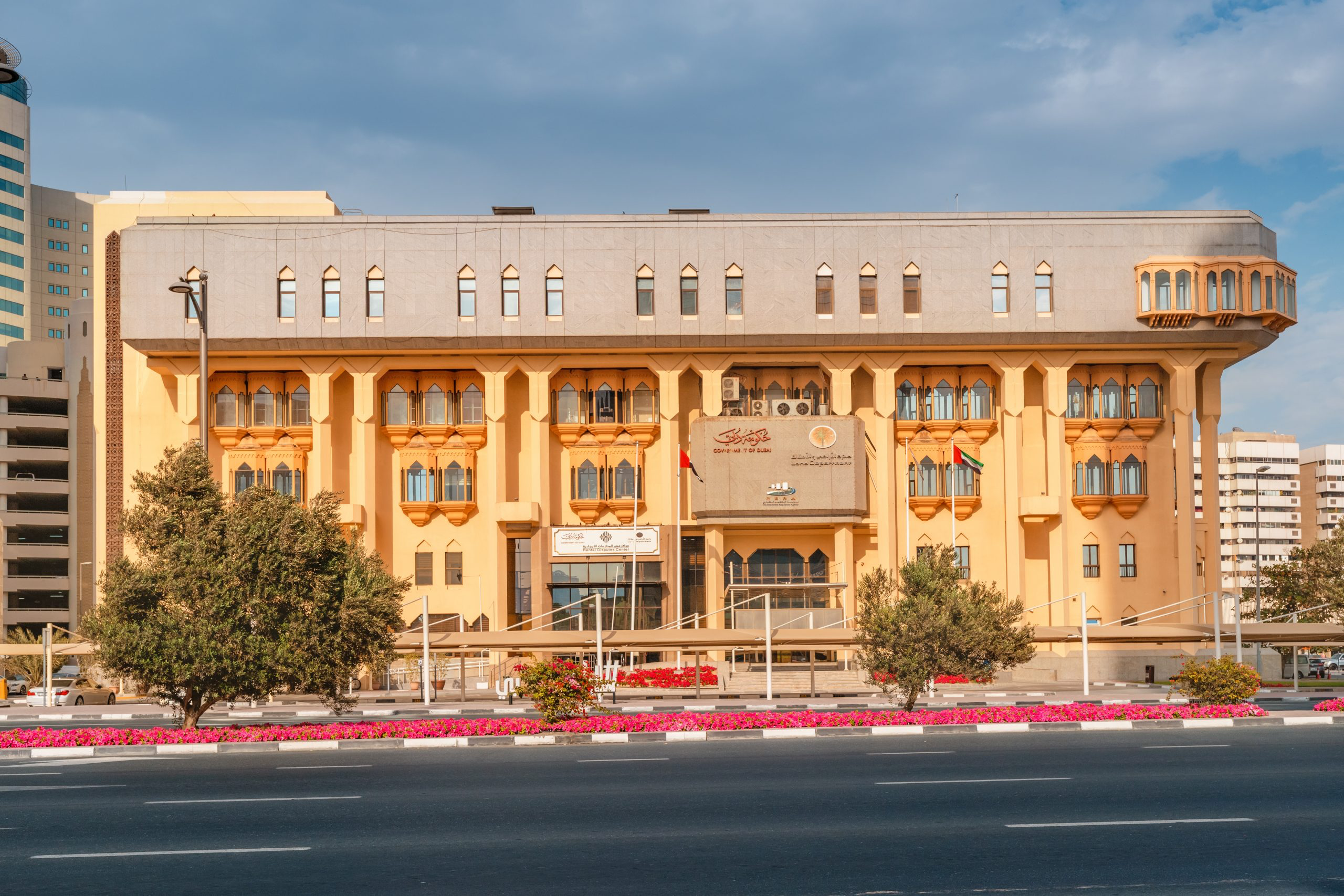
Bu soru sık gelir. Dubai’de alım sırasında %4 tapu harcı ödenir. Bu bedel Dubai Arazi Dairesi (DLD – Dubai Land Department) tarafından tahsil edilir.
Kaynak: https://dubailand.gov.ae
Ayrıca geliştiriciye proje özelinde hizmet bedelleri olabilir. Fakat kritik fark şu: Bu maliyetler işlem bazlıdır. Sürekli değildir. Birçok ülkede yatırımcı her yıl emlak vergisi öder. Dubai’de bu yok. Bu, nakit akışı planlamasında ciddi bir rahatlık sağlar.
Şirket Kurarsanız Durum Değişir mi?

2023 itibarıyla Birleşik Arap Emirlikleri’nde kurumlar vergisi (%9) yürürlüğe girdi. Ancak bu vergi belirli ticari faaliyetler için geçerlidir.
Kaynak: https://mof.gov.ae/corporate-tax
Bireysel konut yatırımlarında kira geliri için ayrı bir gelir vergisi uygulanmaz. Yani klasik anlamda “kira geliri vergisi” yoktur. Bu ayrımı bilmek önemli.
Benim sahada gördüğüm hata şu: Bazı yatırımcılar kurumlar vergisini duyunca tüm sistemin değiştiğini düşünüyor. Hayır. Gayrimenkul yatırımında temel yapı değişmedi.
Vergi Avantajı Tek Başına Yeterli mi?
Hayır. Ve burada net konuşacağım. Vergi yok diye her proje alınmaz. Vergi avantajı, yanlış konumu kurtarmaz. Dubai’de 2026 itibarıyla fiyat artışı kategorilere göre ayrışıyor. Konut Fiyat Endeksi (RPPI – Residential Property Price Index) verileri bunu açıkça gösteriyor.
Kaynak: https://dubailand.gov.ae/en/open-data/real-estate-data/rppi
Üst kategoride güçlü artış, Orta kategoride dengeli artış, Arzın yoğun olduğu bölgelerde daha sınırlı artış. Vergi avantajı, doğru ürünle birleştiğinde anlamlıdır. Yanlış üründe sadece zarar hızını yavaşlatır.
Nakit Akışı Perspektifi

Bir yatırımın gücü sadece değer artışı değildir. Düzenli kira geliri yatırımcının psikolojisini belirler.
Dubai’de:
- Kira gelir vergisi yok
- Yıllık emlak vergisi yok
- Kur sabitliği var (AED – USD peg)
Kaynak: https://www.centralbank.ae
Bu üçlü yapı, nakit akışını öngörülebilir kılar. Sermaye sadece getiri aramaz. Sermaye istikrar arar. Dubai’nin sunduğu şey tam olarak budur.
Benim Pozisyonum Net
Dubai’de vergisiz yapı bir pazarlama cümlesi değil. Gerçek bir finansal avantaj. Ama tek başına yeterli değil. 2026 itibarıyla doğru soru şu:
“Vergi avantajı + doğru konum + doğru giriş fiyatı birleşiyor mu?”
Eğer birleşiyorsa, Dubai hâlâ güçlü bir yatırım zemini sunuyor. Eğer birleşmiyorsa, vergi avantajı sizi kurtarmaz. Yatırım matematik işidir. Ve Dubai’de matematik hâlâ yatırımcıdan yana.
—
Alev Birkal, Dubai
Gayrimenkul Yatırım Danışmanı
🇬🇧 Tax-Free Returns: Real Advantage or Exaggeration?
When we mention Dubai, the most frequently heard phrase is: “There is no tax.”
But for an investor, the real question should be: Does the absence of tax truly create profit, or is it merely a marketing phrase?
My answer is clear: The tax-free structure in Dubai is not a slogan. It is a mathematical advantage.
What Do We Mean by “No Tax”?
In residential property investment in Dubai:
- No annual property tax
- No rental income tax
- No capital gains tax
Source:
https://u.ae/en/information-and-services/finance-and-investment/taxation
- In many European countries, rental income is taxed between 20 percent and 40 percent.
- In the United States, federal and state taxes apply.
- In France and Germany, net rental yields decrease significantly.
- In Dubai, gross rental yield largely converts into net rental yield.
This difference is not small. It affects the investment payback period at the level of years.
A Simple Comparison
Let us consider two properties of equal value. One in Europe offers a 4 percent gross rental yield. After tax, the net yield falls to approximately 2.5 to 3 percent. Now consider an apartment in Dubai offering a 7 percent gross rental yield.
Since there is no tax deduction, the net yield remains in the 6 to 7 percent range. The difference is not just a few percentage points per year. Over the long term, it creates a serious capital gap.
As of 2026, the average rental yield in Dubai remains in the 6 to 8 percent range.
Source: https://www.engelvoelkers.com/ae/en/resources/rental-yield-dubai
My view is this: Tax advantage alone is not a reason to invest. But when combined with the right location, it creates a multiplier effect.
Does the Government Earn Nothing?
This question arises frequently. In Dubai, a 4 percent transfer fee is paid during purchase. This fee is collected by the Dubai Land Department.
Source: https://dubailand.gov.ae
Additionally, developers may charge project-specific service fees. However, the critical difference is this: These costs are transaction-based. They are not continuous. In many countries, investors pay property tax every year. In Dubai, this does not exist.his provides significant relief in cash flow planning.
Does the Situation Change If You Establish a Company?
As of 2023, corporate tax at 9 percent has been introduced in the United Arab Emirates. However, this tax applies to specific commercial activities.
Source: https://mof.gov.ae/corporate-tax
For individual residential investments, rental income is not subject to a separate income tax. In the traditional sense, there is no rental income tax.
Understanding this distinction is important. A common mistake I observe in the field is this: Some investors hear about corporate tax and assume the entire system has changed. No. The fundamental structure of real estate investment has not changed.
Is the Tax Advantage Alone Sufficient?
No. And I will speak clearly here. You do not buy every project simply because there is no tax. Tax advantage does not rescue the wrong location. As of 2026, price growth in Dubai is differentiated by category. Residential Property Price Index data clearly shows this.
Source: https://dubailand.gov.ae/en/open-data/real-estate-data/rppi
Strong growth in the upper segment, balanced growth in the mid segment, more limited growth in areas with heavy supply. Tax advantage is meaningful when combined with the right product. With the wrong product, it only slows the speed of loss.
Cash Flow Perspective
The strength of an investment is not only capital appreciation. Regular rental income determines the investor’s psychology.
In Dubai:
- No rental income tax
- No annual property tax
- Currency stability exists (AED – USD peg)
Source: https://www.centralbank.ae
This triple structure makes cash flow predictable. Capital does not seek return alone. Capital seeks stability. That is exactly what Dubai offers.
My Position Is Clear
The tax-free structure in Dubai is not a marketing phrase. It is a real financial advantage. But it is not sufficient on its own.
As of 2026, the right question is: “Do tax advantage, correct location, and correct entry price align?”
If they align, Dubai still offers a strong investment ground. If they do not align, tax advantage will not save you. Investment is mathematics. And in Dubai, mathematics still favors the investor.
—
Alev Birkal, Dubai
Real Estate Investment Consultant
🇫🇷 Rendement sans impôt : véritable avantage ou exagération ?
Lorsque l’on parle de Dubaï, la phrase que l’on entend le plus souvent est : « Il n’y a pas d’impôt. »
Mais pour un investisseur, la véritable question devrait être : L’absence d’impôt crée-t-elle réellement un gain, ou est-ce simplement une phrase marketing ?
Ma réponse est claire : La structure sans impôt à Dubaï n’est pas un slogan. C’est un avantage mathématique.
Que signifie réellement “absence d’impôt” ?
Dans l’investissement résidentiel à Dubaï :
• Pas de taxe foncière annuelle
• Pas d’impôt sur les revenus locatifs
• Pas d’impôt sur les plus-values
Source : https://u.ae/en/information-and-services/finance-and-investment/taxation
Dans de nombreux pays européens, les revenus locatifs sont imposés entre 20 et 40 pour cent. Aux États-Unis, les impôts fédéraux et étatiques s’appliquent. En France et en Allemagne, le rendement locatif net diminue fortement.
À Dubaï, le rendement brut se transforme largement en rendement net. Cette différence n’est pas marginale. Elle influence la durée de retour sur investissement en années.
Une comparaison simple
Considérons deux biens immobiliers de valeur équivalente. L’un en Europe offre un rendement brut de 4 pour cent. Après impôt, le rendement net tombe à environ 2,5 à 3 pour cent.
À Dubaï, un appartement offrant un rendement brut de 7 pour cent. En l’absence d’impôt, le rendement net reste dans une fourchette de 6 à 7 pour cent. La différence n’est pas de quelques points par an.
À long terme, elle crée un écart de capital significatif. En 2026, le rendement locatif moyen à Dubaï reste dans la fourchette de 6 à 8 pour cent.
Source : https://www.engelvoelkers.com/ae/en/resources/rental-yield-dubai
Mon analyse est la suivante : L’avantage fiscal n’est pas, à lui seul, une raison d’investir. Mais combiné au bon emplacement, il crée un effet multiplicateur.
L’État ne perçoit-il aucun revenu ?
Cette question revient souvent. À Dubaï, des frais de transfert de 4 pour cent sont payés lors de l’achat. Ces frais sont collectés par le Dubai Land Department.
Source : https://dubailand.gov.ae
Des frais spécifiques au projet peuvent également être facturés par le promoteur. Cependant, la différence essentielle est la suivante :
Ces coûts sont liés à la transaction. Ils ne sont pas récurrents. Dans de nombreux pays, l’investisseur paie une taxe foncière chaque année. À Dubaï, cela n’existe pas. Cela apporte une réelle souplesse dans la planification des flux de trésorerie.
La situation change-t-elle si vous créez une société ?
Depuis 2023, un impôt sur les sociétés de 9 pour cent est en vigueur aux Émirats arabes unis. Cependant, cet impôt s’applique à certaines activités commerciales spécifiques.
Source : https://mof.gov.ae/corporate-tax
Pour les investissements résidentiels individuels, les revenus locatifs ne sont pas soumis à un impôt distinct. Il n’existe pas d’impôt sur les revenus locatifs au sens classique.
Comprendre cette distinction est essentiel. Une erreur fréquente que j’observe est la suivante : Certains investisseurs entendent parler de l’impôt sur les sociétés et pensent que tout le système a changé. Non. La structure fondamentale de l’investissement immobilier n’a pas changé.
L’avantage fiscal suffit-il à lui seul ?
Non. Et je vais être très claire. On n’achète pas un projet uniquement parce qu’il n’y a pas d’impôt. L’avantage fiscal ne compense pas un mauvais emplacement. En 2026, la hausse des prix à Dubaï varie selon les catégories. Les données de l’indice des prix résidentiels le montrent clairement.
Source : https://dubailand.gov.ae/en/open-data/real-estate-data/rppi
Forte hausse dans le segment supérieur, Hausse équilibrée dans le segment intermédiaire, Hausse plus limitée dans les zones à forte offre. L’avantage fiscal prend tout son sens lorsqu’il est associé au bon produit. Avec un mauvais produit, il ne fait que ralentir la perte.
Perspective de flux de trésorerie
La force d’un investissement ne réside pas uniquement dans l’appréciation du capital. Un revenu locatif régulier influence directement la psychologie de l’investisseur.
À Dubaï :
• Pas d’impôt sur les revenus locatifs
• Pas de taxe foncière annuelle
• Stabilité monétaire (ancrage AED – USD)
Source : https://www.centralbank.ae
Cette triple structure rend les flux de trésorerie prévisibles. Le capital ne recherche pas uniquement le rendement. Le capital recherche la stabilité. C’est précisément ce que Dubaï offre.
Ma position est claire
La structure sans impôt à Dubaï n’est pas une phrase marketing. C’est un véritable avantage financier. Mais elle ne suffit pas à elle seule.
En 2026, la bonne question est : « L’avantage fiscal, le bon emplacement et le bon prix d’entrée sont-ils alignés ? »
S’ils sont alignés, Dubaï offre toujours un terrain d’investissement solide. S’ils ne le sont pas, l’avantage fiscal ne vous sauvera pas. L’investissement est une question de mathématiques. Et à Dubaï, les mathématiques restent favorables à l’investisseur.
—
Alev Birkal
Dubai
Senior Real Estate Investment Advisor


Tartışmaya Katıl