
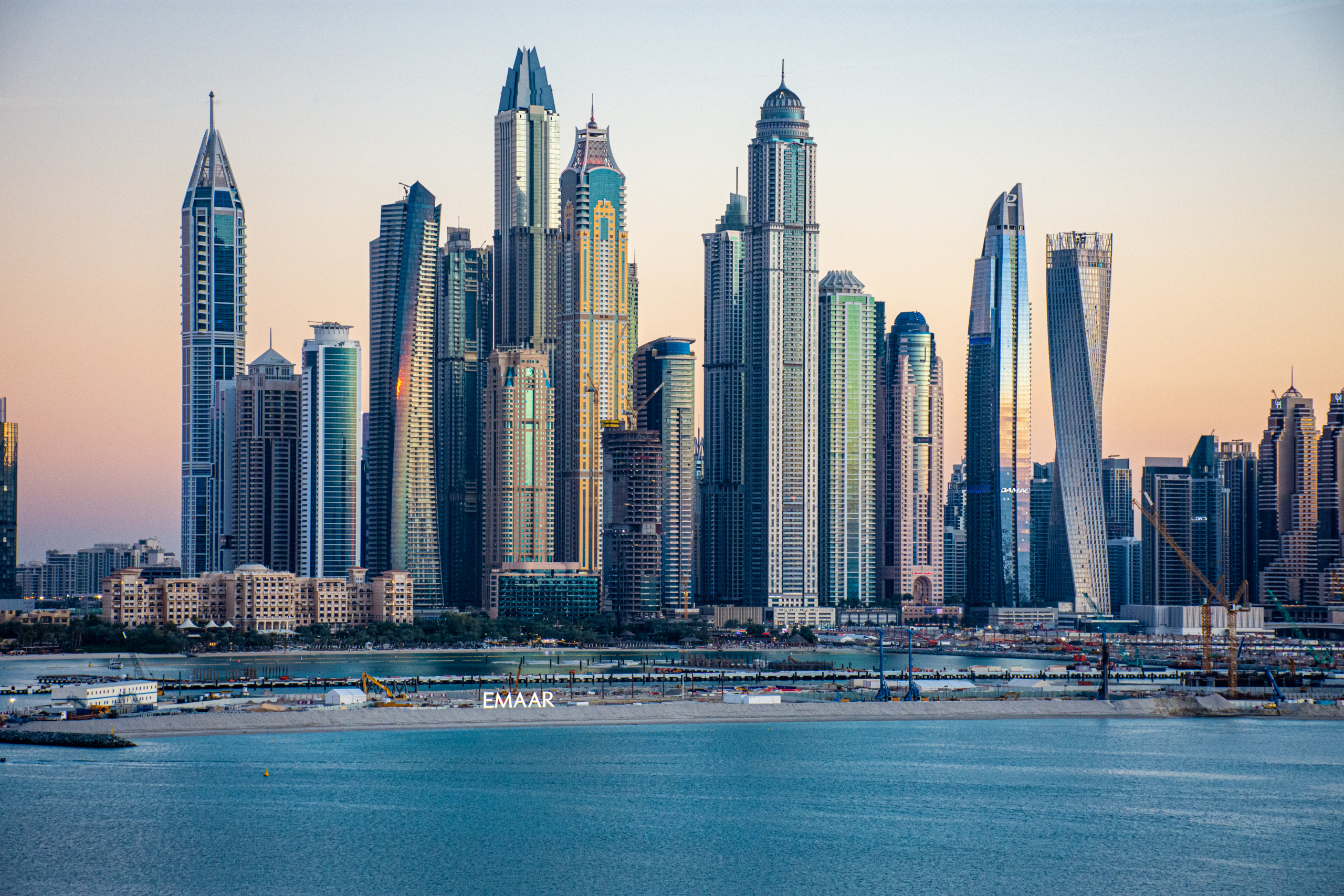
Dubai’nin yükselişi bir pazarlama başarısı değil. Bir sistem başarısı.
2025 yılında Dubai’de gerçekleşen toplam gayrimenkul işlem hacmi 917 milyar AED seviyesini aştı. 2024’te bu rakam yaklaşık 761 milyar AED idi. 2026’da ise hacim yüksek seviyesini koruyor.
Kaynak:
https://dubailand.gov.ae/en/open-data/real-estate-data/
Bu büyüklük sıradan bir artış değildir. Benim burada dikkat çekmek istediğim nokta şu: Bu rakam “talep var” demek değildir. Bu rakam “güven var” demektir.
Çünkü yatırımcı para kazandığı yere değil, parasını koruyabildiği yere gider.
Güven Nereden Geliyor?
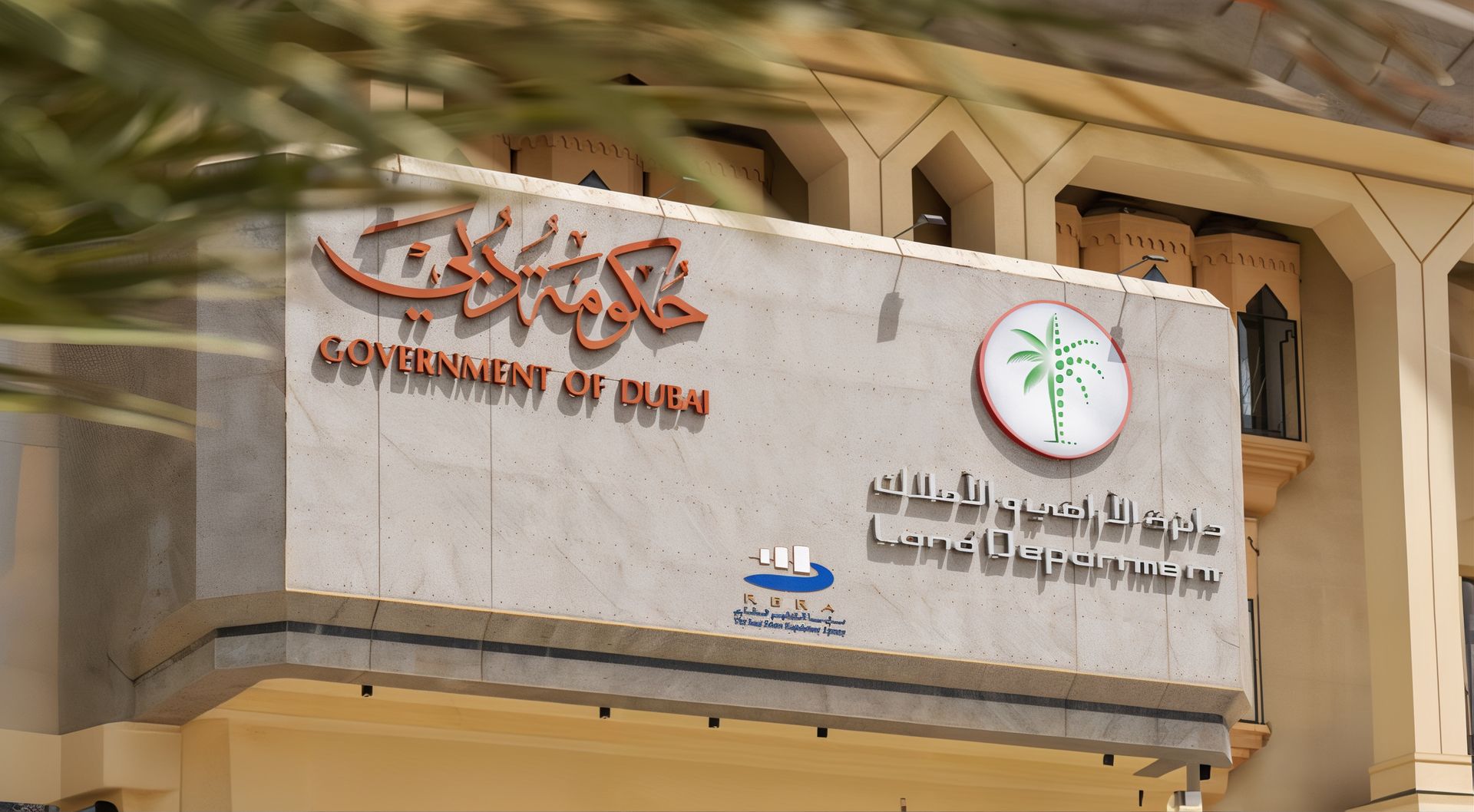
Dubai’de mülkiyet devri tamamen dijital sistem üzerinden yapılır. Tapu Belgesi (Title Deed) doğrudan Dubai Arazi Dairesi (DLD – Dubai Land Department) tarafından kayıt altına alınır.
İnşaat aşamasındaki projelerde yatırımcı ödemeleri emanet hesapta (Escrow Account) tutulur. Geliştirici, bu fonu ancak inşaat ilerleme oranına göre kullanabilir.
Kaynak:
https://dubailand.gov.ae/en/about-us/organizational-structure/rera/
Bu, gelişmekte olan birçok pazarda bulunmayan bir güvenlik katmanıdır. Benim yorumum net:
Dubai’de sistem yatırımcıyı korumak üzere tasarlanmıştır. Bu, fiyat artışından daha değerlidir.
Ekonomi Spekülasyona Değil, Çeşitliliğe Dayalı

Dubai Ekonomik Gündem D33, 2033 yılına kadar şehrin ekonomik hacmini iki katına çıkarma hedefi koyuyor. Petrol dışı ekonominin toplam ekonomi içindeki payı %99’un üzerinde.
Kaynak:
https://www.dubaided.gov.ae/en/d33
Bu ne anlama geliyor?
Dubai artık petrol fiyatlarına bağlı bir ekonomi değil. Finans, lojistik, turizm, teknoloji ve ticaret aynı anda çalışan çok merkezli bir yapı oluşturuyor.
Dubai Uluslararası Finans Merkezi (DIFC – Dubai International Financial Centre) büyümeye devam ediyor.
Kaynak:
https://www.difc.ae
- Şehir sermaye çekiyor.
- Sermaye iş üretiyor.
- İş konut talebi üretiyor.
Bu zincir yapısal.
Nüfus Artışı Geçici Değil
Dubai İstatistik Merkezi verilerine göre nüfus 2026 itibarıyla 4 milyon seviyesini aşmış durumda.
Kaynak:
https://www.dsc.gov.ae
Bu artış yalnızca turizm kaynaklı değil. Uzaktan Çalışma Vizesi (Remote Work Visa), Altın Vize (Golden Visa) ve serbest bölgeler (Free Zone) kalıcı nüfus yaratıyor.
Benim okuduğum tablo şu:
Dubai’de talep geçici değil. Talep yerleşiyor.
Kira Getirisi Gerçek mi?

2026 itibarıyla ortalama kira getirisi (Rental Yield):
- Dairelerde %6–8
- Villalarda %4–6
Kaynak:
https://www.engelvoelkers.com/ae/en/resources/rental-yield-dubai
Aynı dönemde birçok Avrupa başkentinde bu oran %2–4 aralığında. Üstelik Dubai’de kira gelirine düzenli bir vergi uygulanmıyor.
Kaynak:
https://u.ae/en/information-and-services/finance-and-investment/taxation
Brüt getiri büyük ölçüde net getiriye dönüşüyor. Bu basit bir fark değildir.
Bu, yatırım matematiğidir.
Fiyat Artışı Balon mu?
Konut Fiyat Endeksi (RPPI – Residential Property Price Index) verileri, 2026’da fiyat artışının devam ettiğini ancak kategorilere göre ayrıştığını gösteriyor.
Kaynak:
https://dubailand.gov.ae/en/open-data/real-estate-data/rppi/
Üst kategoride artış güçlü. Orta kategoride daha dengeli. Arzın yoğun olduğu bazı bölgelerde daha sınırlı. Bu kötü bir tablo değil. Bu, olgunlaşma.
Balon piyasasında her şey yükselir. Sistemli piyasada doğru ürün yükselir. Dubai şu an ikinci aşamada.
Benim Pozisyonum Net
Dubai artık spekülatif bir piyasa değil. Seçici bir piyasa.
2022’de soru şuydu: “Hangi projeye girsem kazanırım?”
2026’da soru şu: “Hangi projeye doğru şartlarla girersem kazanırım?”
Bu farkı anlayan yatırımcı için Dubai hâlâ güçlü bir fırsat sunuyor. Ama artık analiz yapmadan değil. Dubai bir hikâye değil. Bir sistem. Ve sistem çalışmaya devam ediyor.
—
Alev Birkal, Dubai
Gayrimenkul Yatırım Danışmanı
🇬🇧 Dubai Is No Longer a Story, It Is a System
Dubai’s rise is not a marketing success. It is a system success.
In 2025, the total real estate transaction volume in Dubai exceeded AED 917 billion. In 2024, this figure was approximately AED 761 billion. In 2026, the volume continues to remain at a high level.
Source:
https://dubailand.gov.ae/en/open-data/real-estate-data/
This magnitude is not an ordinary increase. The point I want to emphasize here is this:
This number does not mean “there is demand.” This number means “there is confidence.”
Because investors do not go where they earn money. They go where they can protect their money.
Where Does the Confidence Come From?
In Dubai, property transfers are carried out entirely through a digital system. The Title Deed is directly registered by the Dubai Land Department.
In off-plan projects, investor payments are held in an Escrow Account. The developer can only use these funds according to the construction progress percentage.
Source:
https://dubailand.gov.ae/en/about-us/organizational-structure/rera/
This is a layer of security that does not exist in many emerging markets.
My position is clear:
In Dubai, the system is designed to protect the investor. This is more valuable than price appreciation.
An Economy Based on Diversification, Not Speculation
The Dubai Economic Agenda D33 sets a target to double the city’s economic size by 2033.
The non-oil economy accounts for more than 99 percent of total economic activity.
Source:
https://www.dubaided.gov.ae/en/d33
What does this mean?
Dubai is no longer an economy dependent on oil prices. Finance, logistics, tourism, technology, and trade operate simultaneously within a multi-centered structure.
The Dubai International Financial Centre continues to grow.
Source:
https://www.difc.ae
The city attracts capital. Capital creates jobs. Jobs create housing demand.
This chain is structural.
Population Growth Is Not Temporary
According to Dubai Statistics Center data, the population has exceeded 4 million as of 2026.
Source:
https://www.dsc.gov.ae
This growth is not driven solely by tourism. The Remote Work Visa, the Golden Visa, and Free Zones are creating permanent residency.
The picture I see is this: Demand in Dubai is not temporary. Demand is settling.
Is the Rental Yield Real?
As of 2026, the average rental yield is:
- 6 to 8 percent for apartments
- 4 to 6 percent for villas
Source:
https://www.engelvoelkers.com/ae/en/resources/rental-yield-dubai
During the same period, many European capitals offer yields between 2 and 4 percent. Moreover, rental income in Dubai is not subject to regular income tax.
Source:
https://u.ae/en/information-and-services/finance-and-investment/taxation
Gross returns largely convert into net returns. This is not a simple difference. This is investment mathematics.
Is the Price Increase a Bubble?
Residential Property Price Index data shows that price growth continues in 2026, but it is differentiated by category.
Source:
https://dubailand.gov.ae/en/open-data/real-estate-data/rppi/
Growth is strong in the upper segment. More balanced in the mid segment. More limited in areas with heavy supply.
This is not a negative picture. This is maturation. In a bubble market, everything rises. In a structured market, the right product rises. Dubai is currently in the second phase.
My Position Is Clear
Dubai is no longer a speculative market. It is a selective market.
In 2022, the question was: “Which project should I enter to make money?”
In 2026, the question is: “In which project can I enter under the right conditions to make money?”
For investors who understand this difference, Dubai still offers a strong opportunity. But not without analysis. Dubai is not a story. It is a system. And the system continues to operate.
—
Alev Birkal, Dubai
Real Estate Investment Consultant
🇫🇷 Dubaï n’est plus une histoire, c’est un système
L’ascension de Dubaï n’est pas un succès marketing. C’est un succès systémique.
En 2025, le volume total des transactions immobilières à Dubaï a dépassé 917 milliards d’AED. En 2024, ce chiffre était d’environ 761 milliards d’AED. En 2026, le volume se maintient à un niveau élevé.
Source :
https://dubailand.gov.ae/en/open-data/real-estate-data/
Cette ampleur ne représente pas une augmentation ordinaire. Le point que je souhaite souligner est le suivant :
Ce chiffre ne signifie pas « il y a de la demande ». Ce chiffre signifie « il y a de la confiance ». Car un investisseur ne va pas là où il gagne de l’argent. Il va là où il peut protéger son capital.
D’où vient cette confiance ?
À Dubaï, les transferts de propriété sont effectués entièrement via un système numérique. Le titre de propriété est enregistré directement par le Dubai Land Department.
Dans les projets en cours de construction, les paiements des investisseurs sont conservés sur un compte séquestre. Le promoteur ne peut utiliser ces fonds qu’en fonction de l’avancement des travaux.
Source :
https://dubailand.gov.ae/en/about-us/organizational-structure/rera/
Il s’agit d’un niveau de sécurité absent dans de nombreux marchés émergents. Ma position est claire :
À Dubaï, le système est conçu pour protéger l’investisseur. Cela a plus de valeur qu’une hausse des prix.
Une économie fondée sur la diversification et non sur la spéculation
L’Agenda économique D33 vise à doubler la taille de l’économie de la ville d’ici 2033. L’économie non pétrolière représente plus de 99 pour cent de l’activité économique totale.
Source :
https://www.dubaided.gov.ae/en/d33
Qu’est-ce que cela signifie ?
Dubaï n’est plus une économie dépendante des prix du pétrole. La finance, la logistique, le tourisme, la technologie et le commerce fonctionnent simultanément dans une structure multicentrique.
Le Dubai International Financial Centre continue de croître.
Source :
https://www.difc.ae
La ville attire les capitaux. Les capitaux créent des emplois. Les emplois créent une demande de logements. Cette chaîne est structurelle.
La croissance démographique n’est pas temporaire
Selon le Dubai Statistics Center, la population a dépassé 4 millions d’habitants en 2026.
Source :
https://www.dsc.gov.ae
Cette croissance ne provient pas uniquement du tourisme. Le visa de travail à distance, le Golden Visa et les zones franches créent une population permanente.
Le constat que je fais est le suivant : La demande à Dubaï n’est pas temporaire. La demande s’installe.
Le rendement locatif est-il réel ?
En 2026, le rendement locatif moyen est de :
- 6 à 8 pour cent pour les appartements
- 4 à 6 pour cent pour les villas
Source :
https://www.engelvoelkers.com/ae/en/resources/rental-yield-dubai
Au même moment, de nombreuses capitales européennes affichent des rendements entre 2 et 4 pour cent. De plus, les revenus locatifs à Dubaï ne sont pas soumis à un impôt régulier sur le revenu.
Source :
https://u.ae/en/information-and-services/finance-and-investment/taxation
Le rendement brut se transforme largement en rendement net. Ce n’est pas une simple différence.
C’est une équation d’investissement.
La hausse des prix est-elle une bulle ?
Les données de l’indice des prix résidentiels montrent que la hausse se poursuit en 2026, mais qu’elle est différenciée selon les catégories.
Source :
https://dubailand.gov.ae/en/open-data/real-estate-data/rppi/
- La croissance est forte dans le segment supérieur.
- Plus équilibrée dans le segment intermédiaire.
- Plus limitée dans les zones à forte offre.
Ce n’est pas un signal négatif. C’est une phase de maturation. Dans un marché spéculatif, tout monte.
Dans un marché structuré, le bon produit monte. Dubaï se trouve actuellement dans cette deuxième phase.
Ma position est claire
Dubaï n’est plus un marché spéculatif. C’est un marché sélectif.
En 2022, la question était : « Dans quel projet dois-je investir pour gagner de l’argent ? »
En 2026, la question est : « Dans quel projet puis-je entrer dans les bonnes conditions pour gagner de l’argent ? »
Pour l’investisseur qui comprend cette différence, Dubaï offre toujours une opportunité solide. Mais pas sans analyse.
Dubaï n’est pas une histoire. C’est un système.
Et le système continue de fonctionner.
—
Alev Birkal
Dubai
Senior Real Estate Investment Advisor
Tartışmaya Katıl